At 40 weeks plus three days pregnant Sadie shares how she had a concealed placental abruption which took the life of her precious baby boy Donnie. After Donnie was born, Sadie started to haemorrhage and suffered from DIC (Disseminated intravascular coagulation) a rare blood clotting disorder that causes uncontrollable bleeding. The hospital team saved her life, which she will be forever grateful for. After coming out of intensive care, Sadie spent two weeks recovering in the Snowdrop room, the maternity bereavement suite at the hospital, funded by Sands. She shares how this space meant she didn’t need to be on the labour ward surrounded by newborn babies and allowed her to spend precious time with Donnie who was in a cold 'cuddle cot'. Sadie wants to share her story to raise awareness of concealed placental abruptions and to let women know that not all abruptions cause visible bleeding to potentially help save another baby’s life.
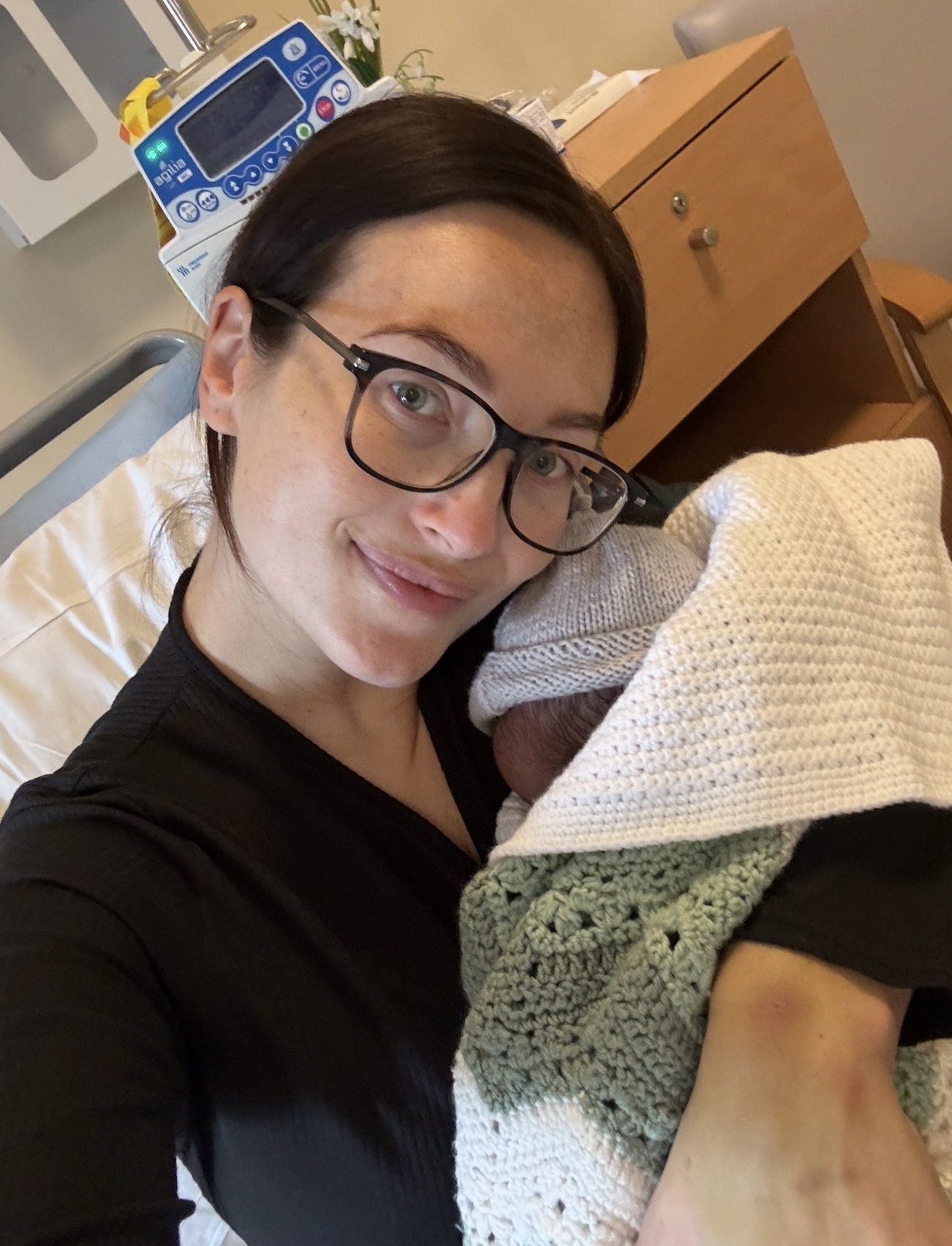
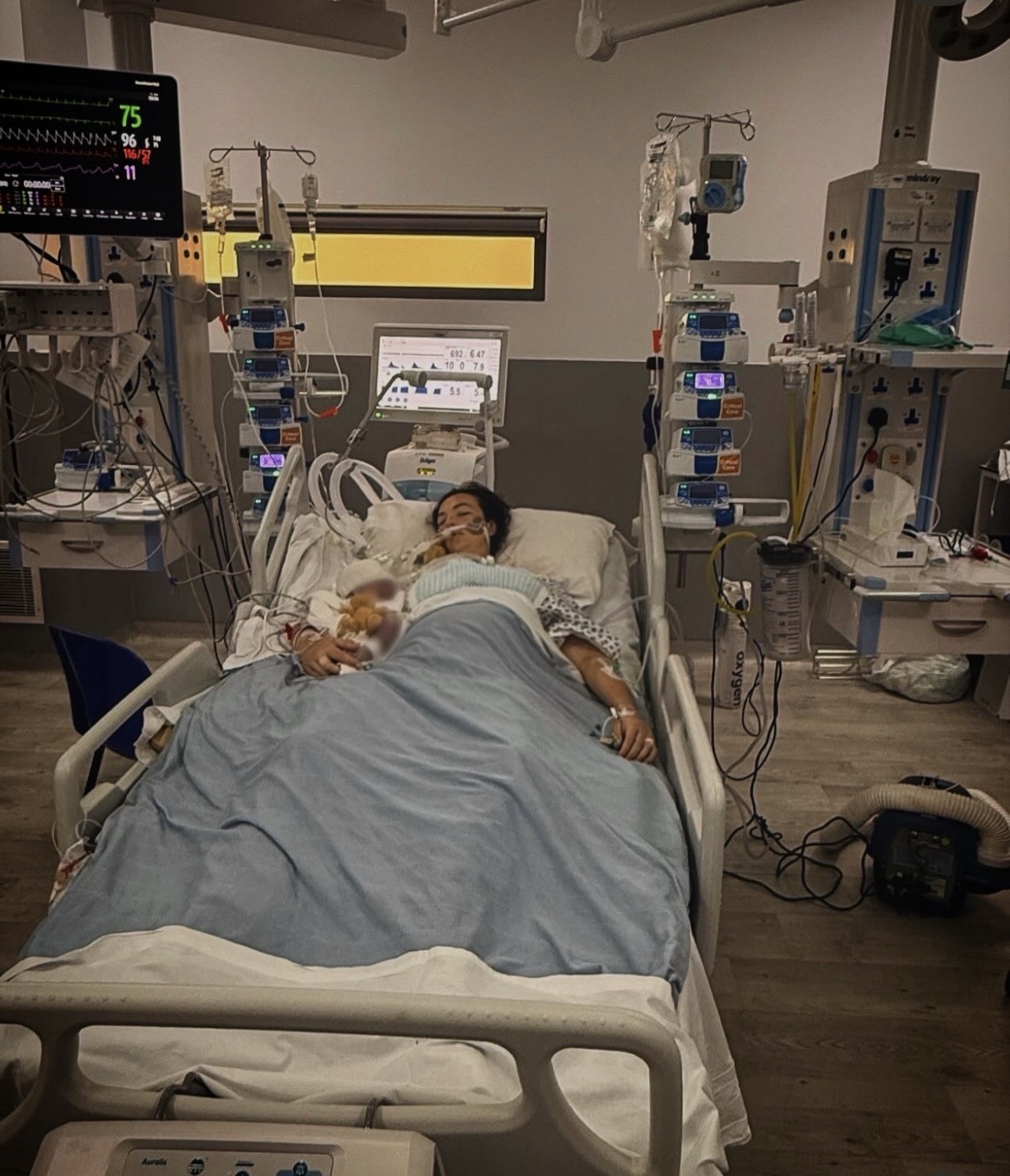
Please be aware that Sadie has chosen to share pictures of her baby boy Donnie and a picture of herself in hospital with her story.
This was my second pregnancy, and I had a great pregnancy, until it came to a sudden end, without warning.
On the evening of the 19th September at 40 weeks plus three days pregnant, after a routine scan four hours before showing everything was ‘perfect’, I had a Concealed Placental Abruption. This is what instantly took the life of our precious baby boy, but this was unbeknown to us. We thought I was in labour, so I was sat on my birthing ball breathing through the most intense contractions, with no idea that I was actually suffering from internal bleeding.
Due to the level of pain I was in, after arriving at the hospital we were greeted by midwives with towels thinking I was about to give birth but how wrong we all were. After a short period of time, a heartbeat wasn’t detected which is a moment no parent should ever go through, and one that we will think about every morning we open our eyes and every night before we go to sleep. I couldn’t stop thinking about seeing our baby kicking around during our scan that day and feeling movement all evening - how was this happening to us? But from that moment on, everything just spiralled out of control.
All of a sudden, I started to become very unwell, so a decision was made by a consultant, who I owe my life to, that I was to have an emergency c-section under General Anaesthetic. Donnie was born on 20th September at 1:42am at 40 weeks plus four days but in recovery, I started to haemorrhage. I then suffered from DIC (Disseminated intravascular coagulation) a rare blood clotting disorder that causes uncontrollable bleeding. This bleeding didn’t stop for six hours, with a team desperately trying to save my life, which I will be forever grateful for. I lost 4.8 litres of blood, nearly my full blood volume, an unimaginable amount to lose with a fatality rate of 98%, giving me a 2% chance of survival. I had a major blood transfusion where I was given 12 units of blood in surgery and then placed into a coma and was given a further nine units in intensive care.
Donnie was handed to my husband straight after delivery and was told the words he always wanted to hear “It's a boy”. 8lb 8 of pure perfection, he looked just like his big sister! Curly brown hair, chunky legs and the cutest button nose! I never knew the gender of Donnie until I came off life support, but deep down I always knew I was carrying a baby boy.
After being in intensive care for several days, I then spent a total of two weeks recovering in the Snowdrop room, the maternity bereavement suite at the hospital, funded by Sands. This space was such a blessing, as it meant I didn’t need to be on the labour ward surrounded by newborn babies. It was a place for me to escape and recover, spending all my time with Donnie. It was a precious time as Donnie was in a cold 'cuddle cot' so we were all able to cuddle him, kiss him and love him - something we’ll be eternally grateful for.
Women are commonly taught to associate placental abruption with vaginal bleeding. I want to raise awareness that an abruption can be concealed, with bleeding occurring internally, and help women understand the other warning signs. I want to stipulate that abruption isn’t always visible - no blood doesn’t mean no bleeding. I was bleeding, you just couldn’t see it, and I didn’t look like I was haemorrhaging. Raising awareness could potentially save another baby’s life.